
So the course is now finished and I have the feeling that just when we got the hang of it and found our rhythm in the group i.e how to work together and use the tools, etc it is now over. As a complete newcomer to an online PBL based course it took me some time to feel comfortable but after that I was really looking forward to the weekly meetings and webinars.

I learned many new things during this course from using various new online/AI tools to how to share and publish OER (using creative commons) and to even what is actually a more important parameter of how to promote meaningful and true engagement in a course. Engaging deeply with an international, multidisciplinary group has fundamentally shifted my perspective on what it means to teach and learn in the digital age. Successful online learning relies heavily on building a vibrant community/group and working together to solve weekly tasks taught me that collective intelligence, diverse viewpoints, and trust are the real drivers of that deep learning. This course demonstrated some good design practices with synchronous and asynchronous activities that can promote such learning.
This ONL course experience as a whole will directly influence my future teaching practice as I would like to incorporate some of the things we did in my future teaching. Instead of relying heavily on traditional lectures, I would like to design more interactive, collaborative activities that encourage students to co-create knowledge (and some aspects of this I already have in some courses). I now see digital tools not just as administration utilities, but as pedagogical enablers.
This is how I believe AI should be used and as I briefly touched upon this in my previous reflection I don’t want to scare students away from using neither over-rely on it but use it for the stuff that are ‘’chores’’ and instead leave the meaningful work that promotes learning to be done by the students.
As the meme says ‘’I want AI to do the dishes and laundry for me, so I can do the writing and the reading’’ and all other creative activities that develop us as teachers and students.
I am eager to introduce shared collaborative documents, virtual brainstorming boards, and asynchronous discussion spaces into my courses to help students engage with materials and each other outside the physical classroom wall. I would also like to create some OER resources for some of my courses but I guess that would need some more time and effort on my part which isn’t always available. At least we now know how 😛
Overall ONL has been a challenging, especially in the beginning, yet highly rewarding ride. It has provided me with both the theoretical tools and the practical confidence to make my own teaching environment more open, connected, and student-centered.

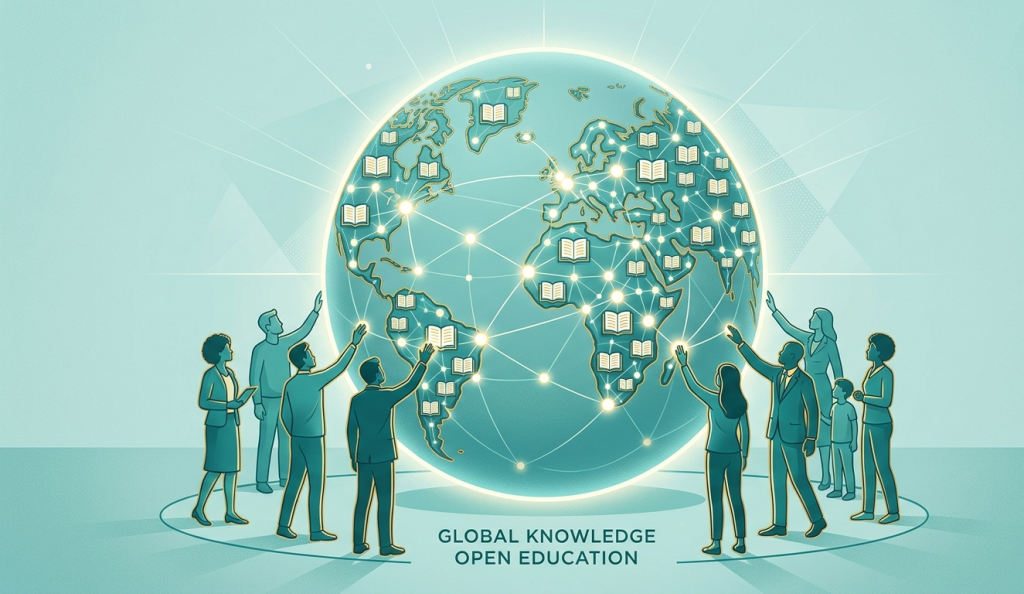 These past 2 weeks our group started with discussing the “theory” of openness and ended up with a very practical, action-oriented strategy towards open learning (which eventually guided our presentation). We kinda identified that the transition to Open Educational Practices (OEP) isn’t just a technical shift, but a cultural and emotional one as well. It also helped broaden my perspective a bit: currently, my comfort zone is rooted in Open Access for reasearch—sharing finished, peer-reviewed material. However, the transition to Open Educational Resources (OER) feels significantly more vulnerable. Our group discussions highlighted that this “exposure anxiety” is rather common.