
Another fortnight, another topic 🙂
This time we try to examine (true) collaboration in groups. I write true because as others have mentioned in their reflections and also became apparent as a common experience in our group discussion, we and often our students mix cooperation with collaboration.
We have been engrained throughout all our student and professional lifes in a specific mode of working together as in ‘’sharing the tasks and combine in the end’’ which I believe originated from a place of ‘’being time efficient’’ as well as lack of online capabilities in the past that it is now difficult to move away from, although we live in an era that we can easily meet online with others with no real effort. The time constraint is still there though and I believe it is one of the main drivers why we still like to work as before. Especially in a world where things move so fast and everyone wants and likes a quick outcome.
Trying to bring this all together in my discipline which is engineering and more specifically materials engineering adds another challenge since most of our courses involve some kind of group work that is happening either during or after a laboratory exercise. The students and often we (the teachers) view this as a rather linear process: Sample preparation, then characterization of the material and finally data analysis. This naturally encourages “task-splitting”.
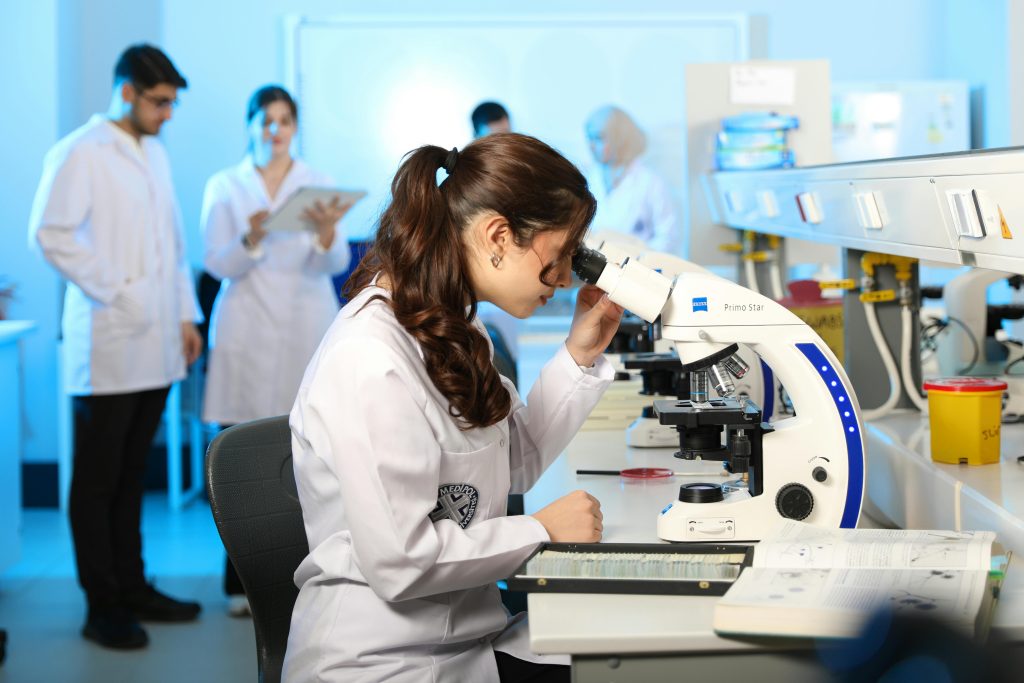
I would like to use some online tools to help students get away from this traditional practice so they actually don’t need to spend the time traveling to university and physically meet. Instead I would like to promote some synchronous data interpretation using some online tool such as miro (we used that in our group for this topic 😛) to analyze and discuss for instance microscopy images in real-time and then decide on their discussion part for the report together.
Another thing (I am already doing in one course) is that before the final submission each group has to peer review another group’s report and give feedback. This can actually take the form of an online seminar where the discussion happens in real time instead of just sending back some written comments as we are doing now.
All this creates of course some extra effort from the teachers and also students. As we discussed in our group, the benefits of working like this should be clearly explained to the students so they don’t feel like doing extra work for nothing. It’s a complex problem to introduce new ways of working in traditional fields that requires some balancing between time management and digital tools/AI as well as helping students understand this shift.
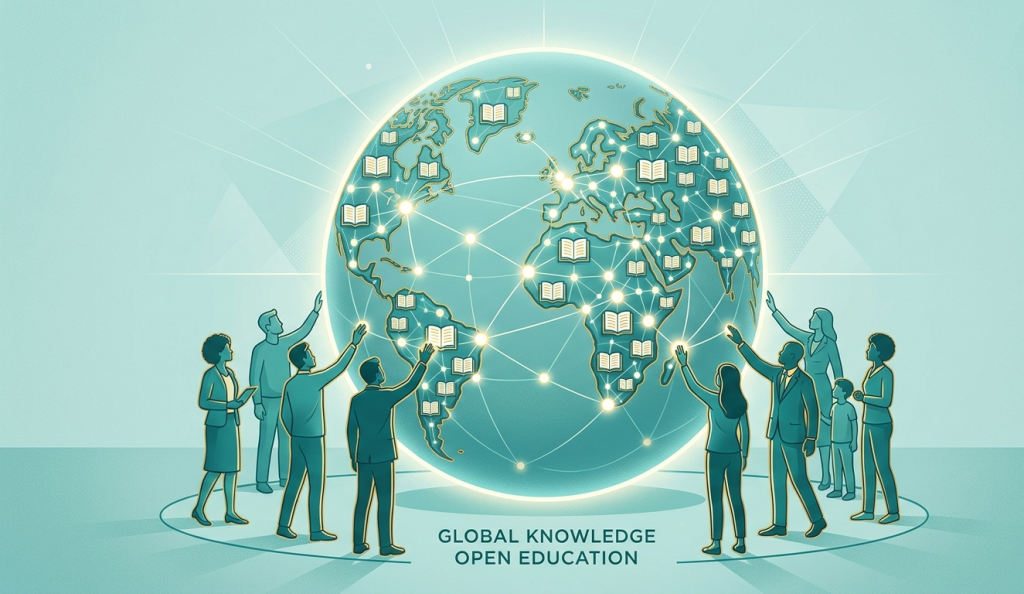 These past 2 weeks our group started with discussing the “theory” of openness and ended up with a very practical, action-oriented strategy towards open learning (which eventually guided our presentation). We kinda identified that the transition to Open Educational Practices (OEP) isn’t just a technical shift, but a cultural and emotional one as well. It also helped broaden my perspective a bit: currently, my comfort zone is rooted in Open Access for reasearch—sharing finished, peer-reviewed material. However, the transition to Open Educational Resources (OER) feels significantly more vulnerable. Our group discussions highlighted that this “exposure anxiety” is rather common.